 Architecture
2026-09-15•James Miller
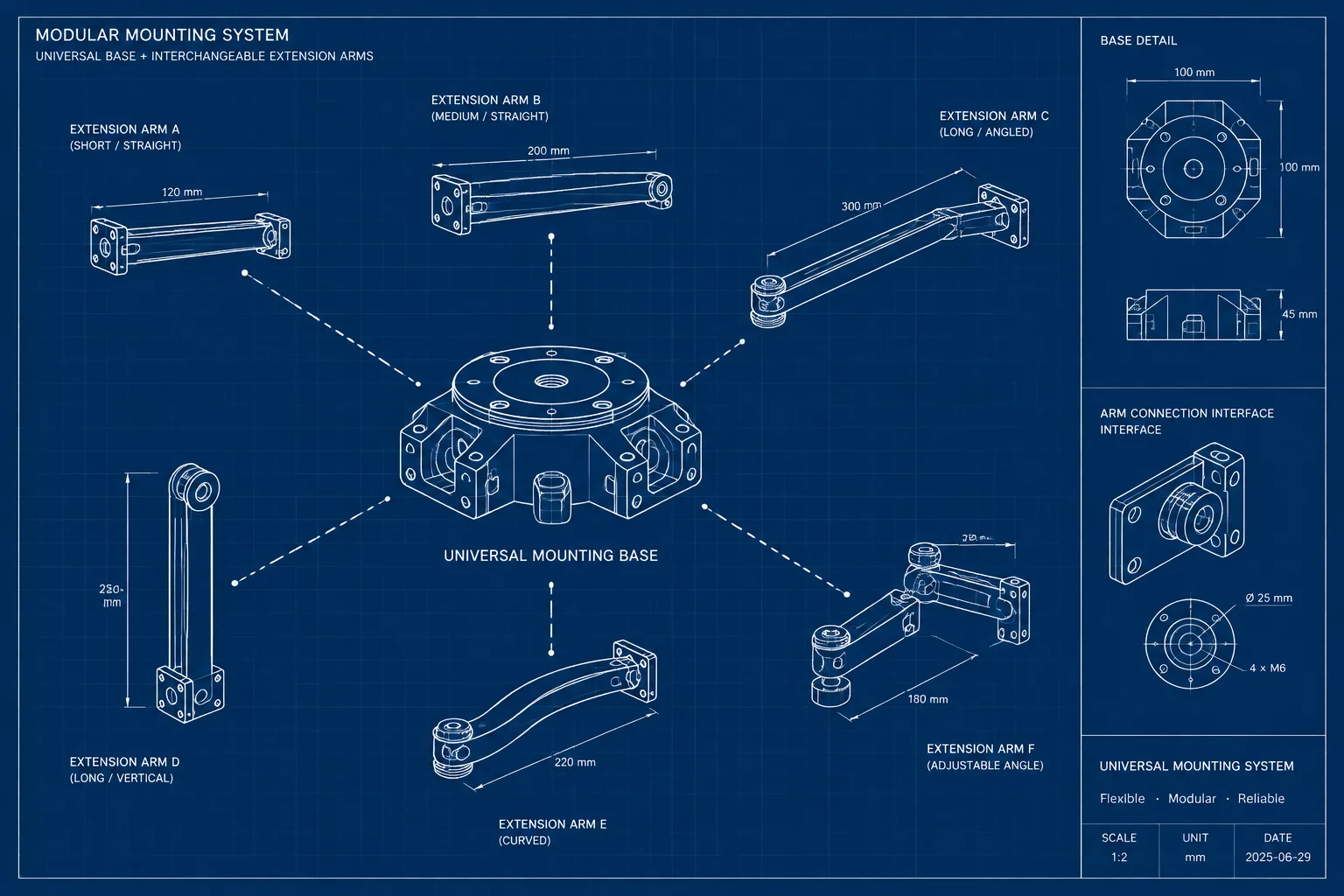
One Product Three Different Requirements
Analyzing multi-functional core assemblies adapted across three distinct operating duty cycles.
Explore illustrated product-family examples, design alternatives, component choices, changing requirements, and practical engineering trade-offs.
Modular CAD Stacks
Parametric Families
Trade-Off Matrix
Stress & Cost Data
Real Assemblies
Industrial Case Studies
Structured breakdown of mechanical variance, component standardization, and real-world trade-off trade evaluations.
ArchitectureAnalyzing multi-functional core assemblies adapted across three distinct operating duty cycles.
 Components
Packaging density trade-offs and specialized subassembly adaptations for downscaled enclosures.
 Architecture
Strategies for maximizing inventory interchangeability while maintaining distinct customer tiering.
 Components
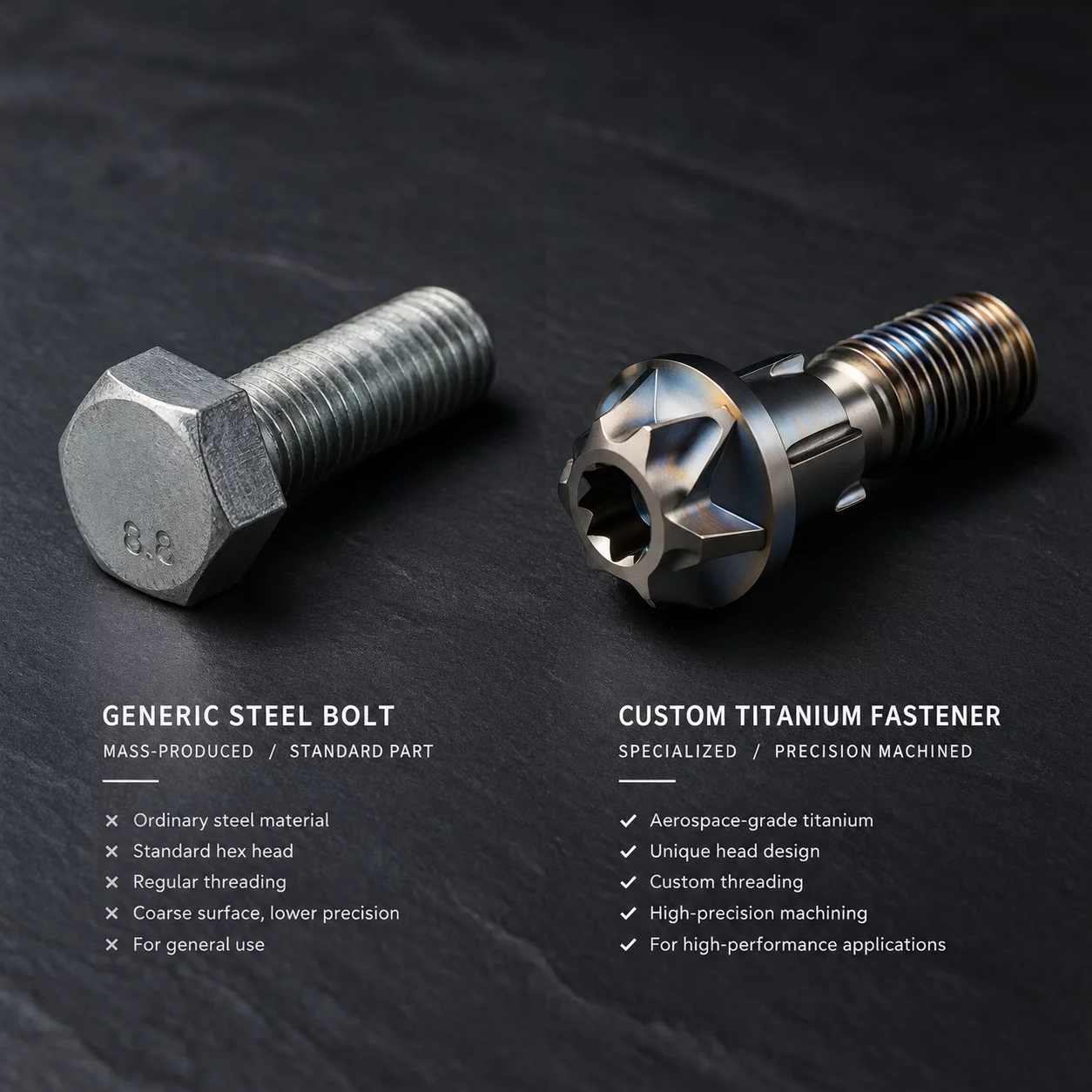
Cost modeling and manufacturing lead-time evaluation when choosing COTS hardware vs custom fabrication.
 Architecture
Managing secondary engineering changes, retrofits, and assembly tolerance ripple effects.
 Architecture
Quantitative matrices balancing weight targets, operational reliability, and unit production cost.
 Components
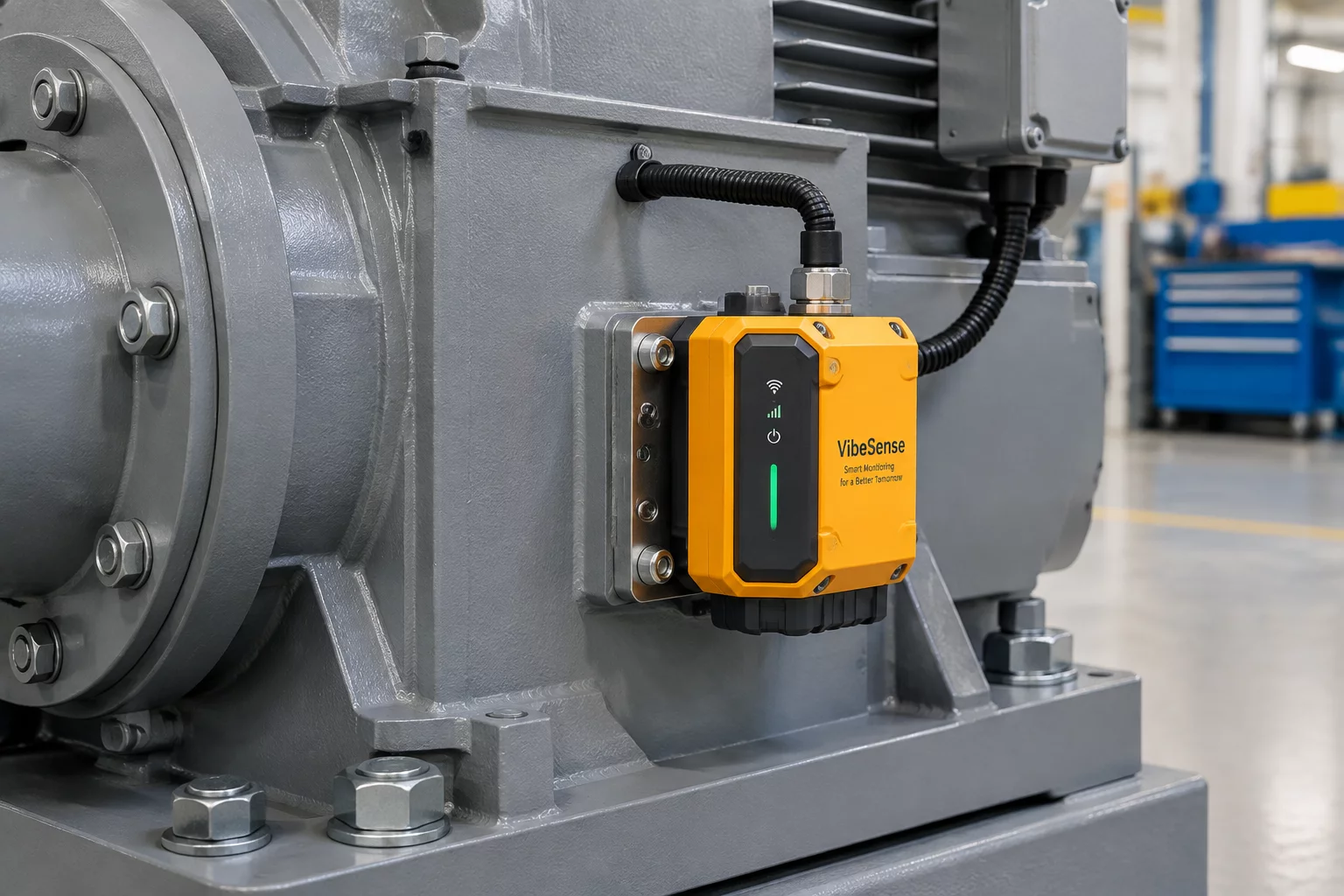
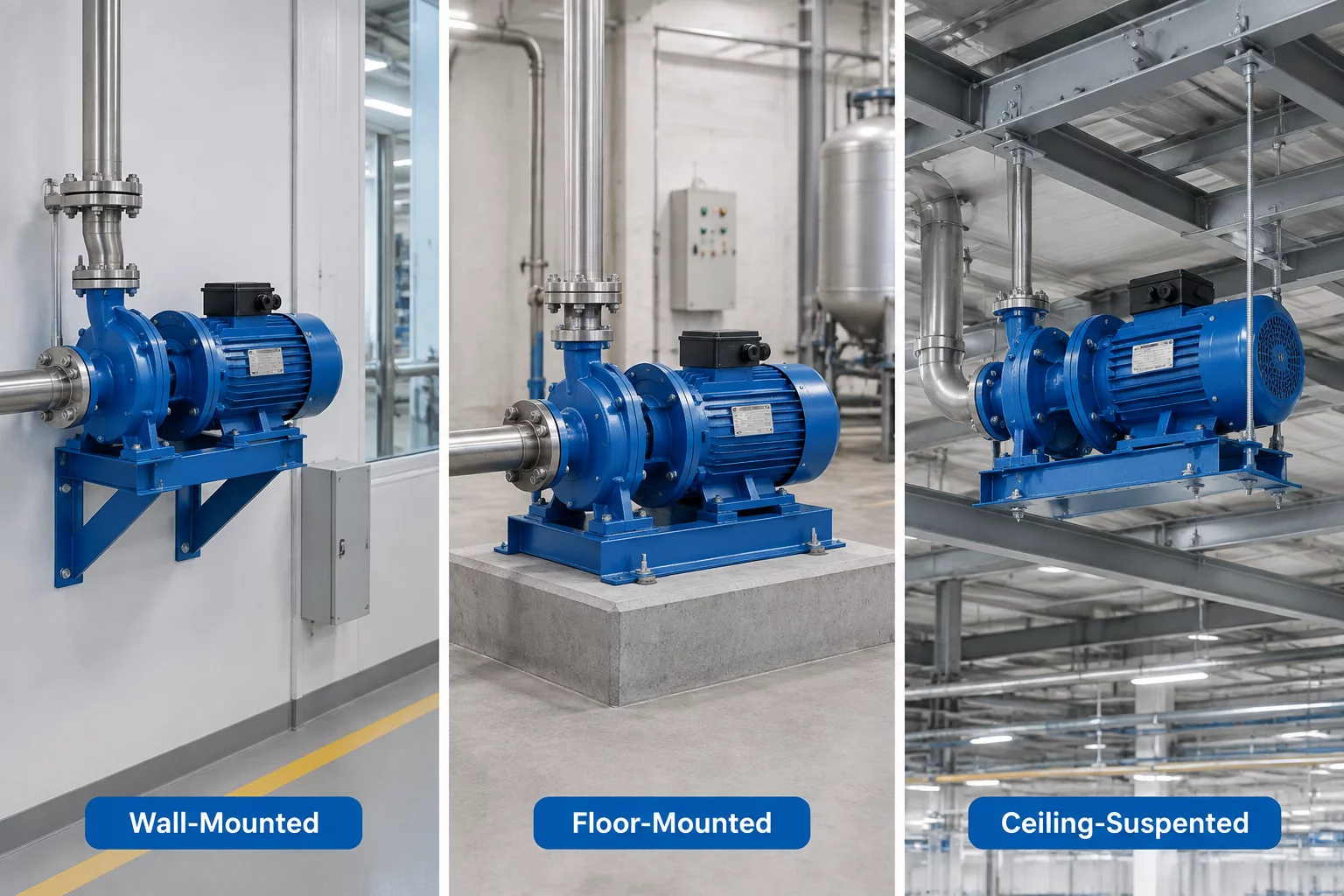
Interfacing identical chassis into differing ambient thermal, vibration, and structural mount environments.
 Components
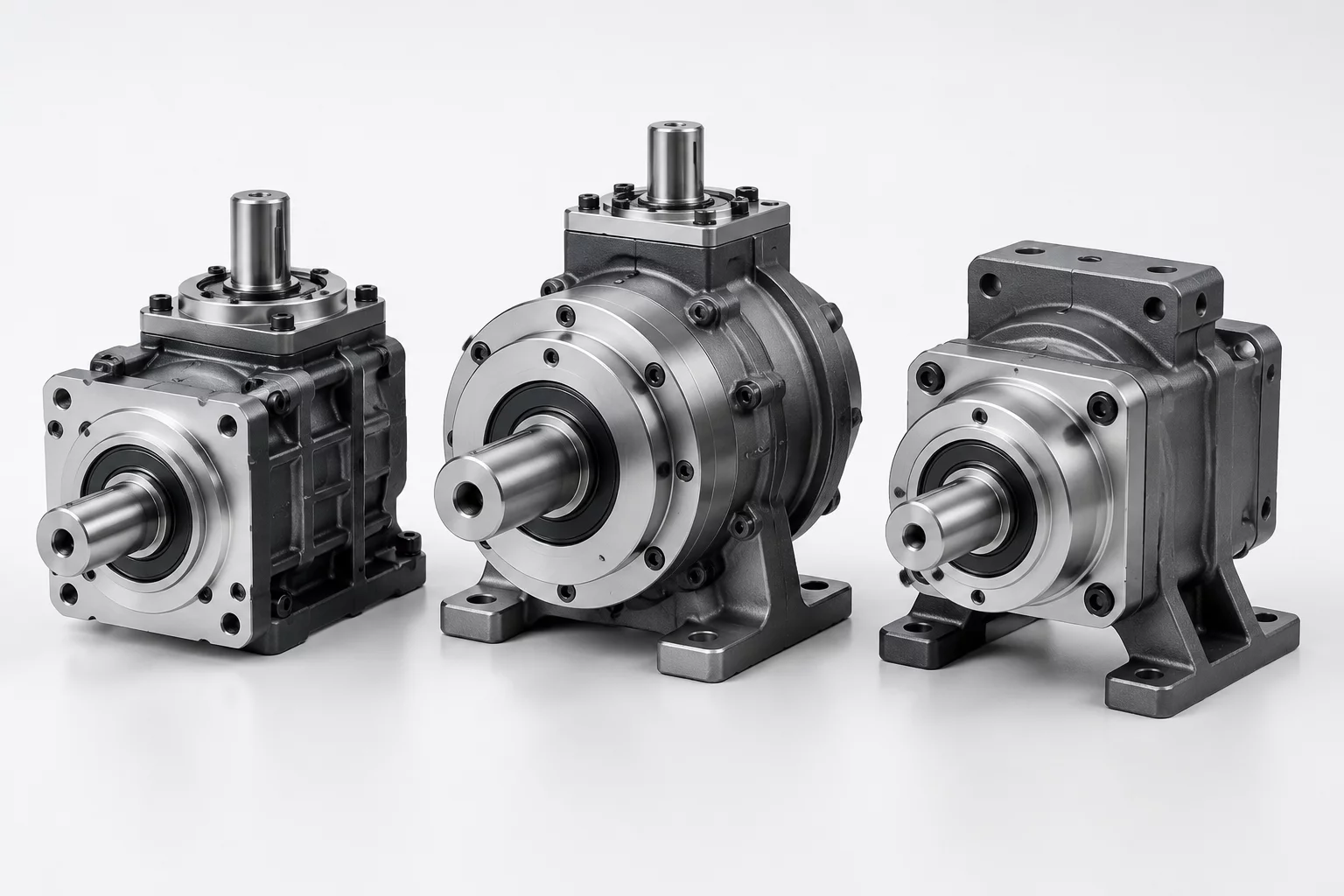
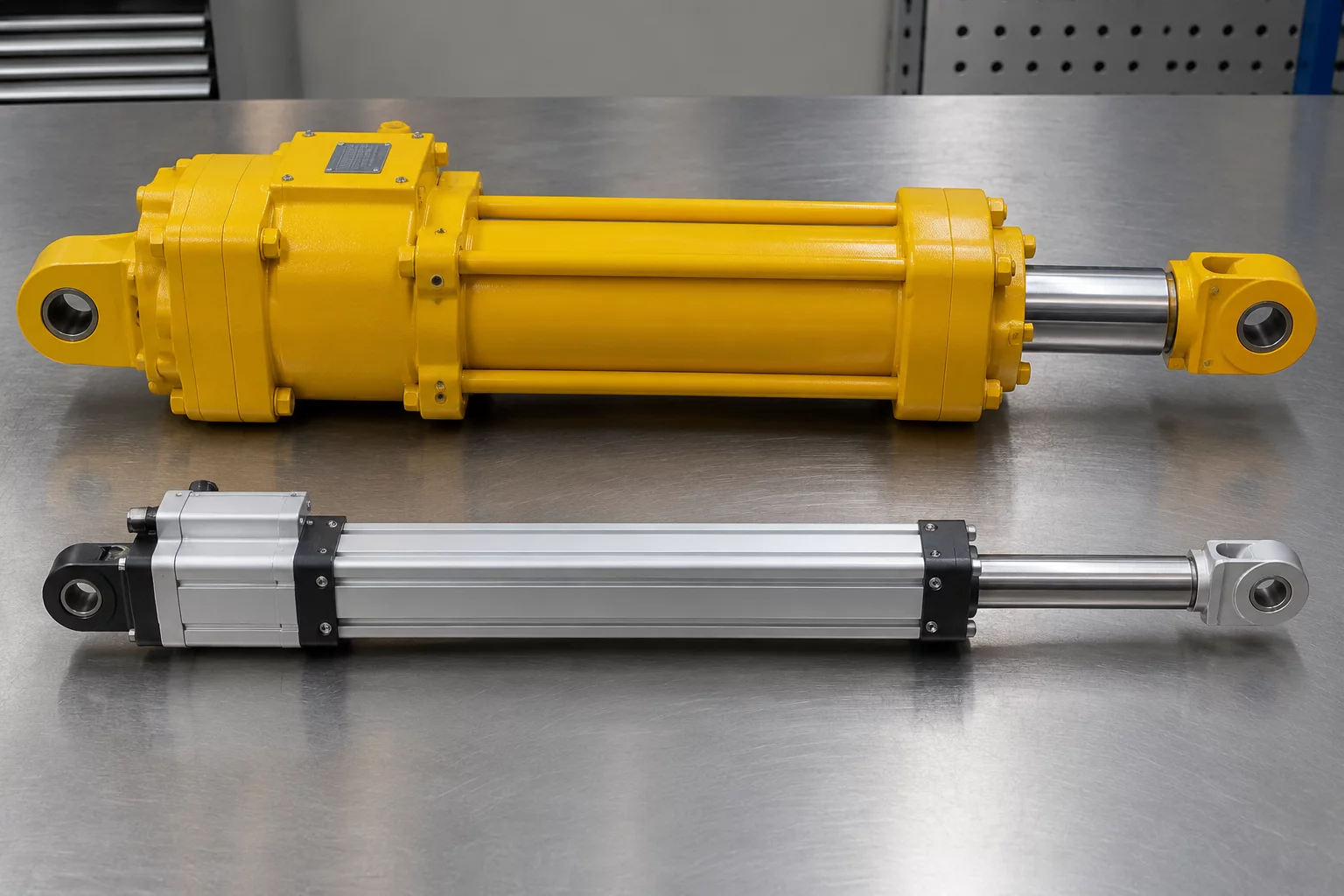
Direct side-by-side inspection of standard vs heavy-duty mechanical drive variants.
An in-depth parametric comparison demonstrating how a unified baseline architecture branches into three specialized structural variants with distinct payload ratings, articulation ranges, and fabrication budgets.
Engineered specifically for cramped automation cells and constrained enclosures. Version A minimizes total mass and eliminates articulation linkages to maximize torsional stiffness and fatigue life under continuous vibration.
Cross-variant specification trade-offs based on finite element analysis and production yield logs.
| Evaluation Metric | Version A (Compact) | Version B (Adjustable) | Version C (Extended) |
|---|---|---|---|
| Structural Rigidity (Bending) | Extreme (9.4 kN/mm) | Medium (4.2 kN/mm) | Compliant (2.1 kN/mm) |
| Subassembly Count | 2 Discrete Parts | 5 Discrete Parts | 6 Discrete Parts |
| Fabrication Cost Index | 1.00 (Baseline) | 1.42 (+42%) | 1.85 (+85%) |
| Primary Failure Mode | Flange Shearing | Pin Cleavage Wear | Cantilever Deflection |
| Design Rationale | Compact Review | Adjustable Review | Extended Review |
Our editorial framework traces how one baseline construction branches into multiple designs — from the original concept to documented trade-offs.
Original structural ideas — the baseline constructions from which every product variant is derived.
Families of related products built around shared architectures and common assembly logic.
How shifting buyer and operating requirements reshape a single product into distinct variants.
Common parts reused across different variants — the backbone of an efficient product family.
Side-by-side evaluation of alternative designs measured against the same set of requirements.
The practical consequences of each design change — cost, mass, complexity, and performance.
Uncoordinated variant proliferation, siloed component drafting, and late requirement churn drain up to 40% of development budgets. Review the key failure patterns below.
Engineers redraw identical fasteners, brackets, and housings for minor variant deviations instead of establishing shared modular anchors.
Injecting unverified customer customisations late into base platform CAD breaks downstream assembly constraints across siblings.
Specifying localized or disparate alloys across variants prevents consolidated bulk purchasing and creates assembly line bottlenecks.
| Design Parameter | Conventional Ad-Hoc Process | VariantPath Gallery Approach |
|---|---|---|
| Component Reuse Ratio | Low (15% - 25% across models) | High (65% - 85% shared core modules) |
| Design Revision Time (ECOs) | Weeks of manual multi-file adjustments | Hours via structured parametric configurations |
| Tooling & Inventory Overhead | Custom molds and jigs per variant | Standardized mounting fixtures & shared tooling |
| Requirement Change Handling | Disrupts entire base geometry | Isolated to interchangeable interface layers |

Discover methodologies for identifying high-cost subassemblies early and converting them into standard modular building blocks across multiple product tiers.
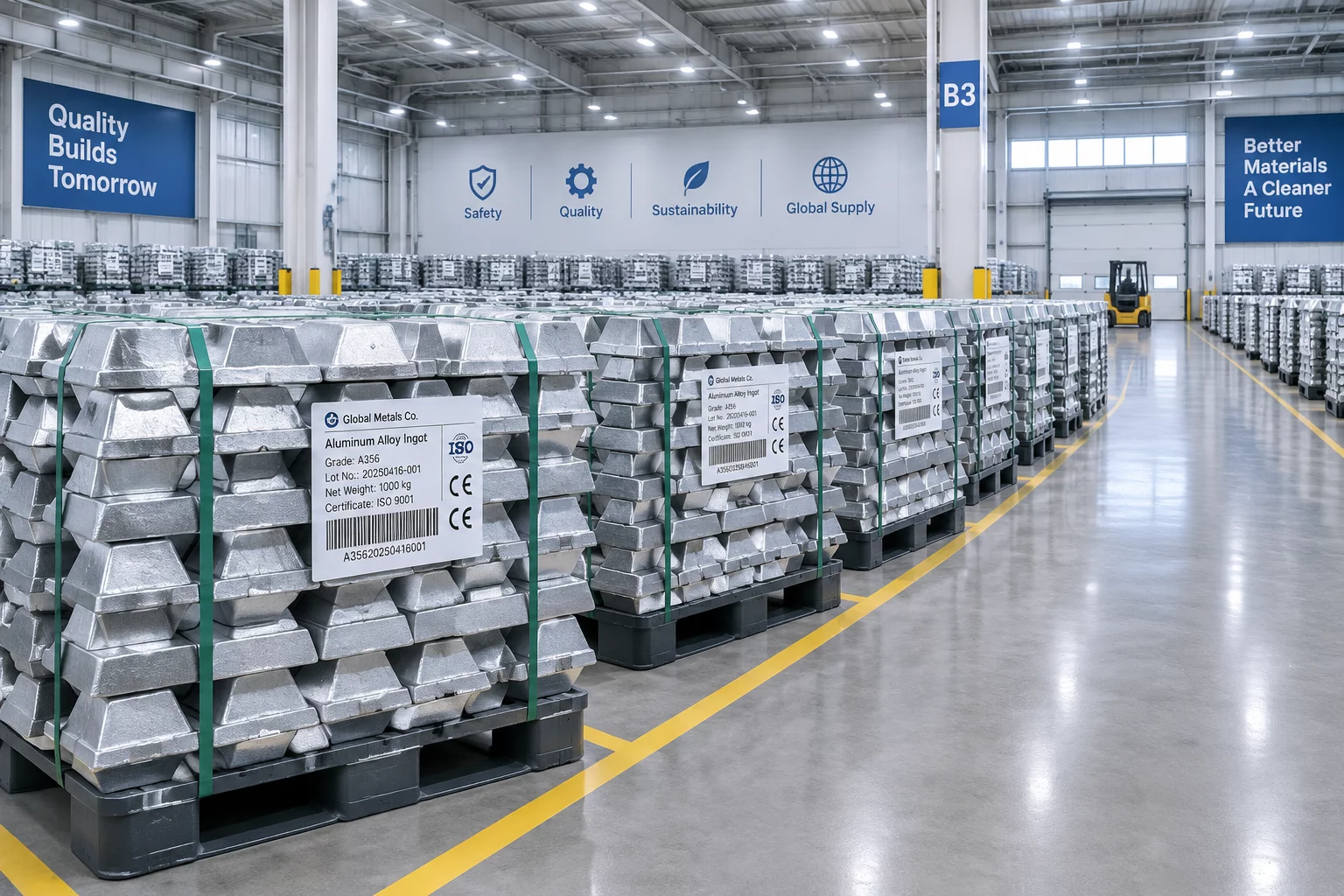
A comprehensive evaluation of unified alloy and composite certification standards that streamline variant part sourcing across European supplier networks.
Whether you require an end-to-end variant architecture, dedicated periodic reviews, or a focused single session, choose the engagement model tailored to your roadmap.
Complete modular product family design, trade-off matrix documentation, and configuration architecture delivered as a turnkey package.
Ongoing engineering retainer for continuous component standardization, lifecycle evolution, and design change reviews.
Targeted deep-dive engineering audit to solve a specific variant bottleneck, material choice dispute, or split configuration error.
Submit your project parameters and our engineering desk will respond with preliminary terms.
Explore direct communication channels, engineer coverage schedules, and contractual resolution windows designed to keep variant design systems operational.
< 4 Hours
CAD system blocking failure< 8 Hours
Component model discrepancies< 24 Hours
Guidance & revision updatesStandard operating workflow from first notification to post-incident architectural review.
Ticket logged via portal or hotline, tagged by severity level and CAD assembly impact.
Senior mechanical specialist replicates configuration state within promised response window.
Direct parametric repair or updated CAD subassembly package provided with changelog.
Formal root cause evaluation preventing identical variant conflicts across parallel projects.
Critical assessments and technical excerpts from accredited journals examining our methodology in variant configuration and modular systems.
“VariantPath Gallery provides an exceptionally rigorous framework for evaluating product configuration dependencies without compromising legacy manufacturing standards.”

“Their comparative breakdown of structural polymer reinforcement offers engineers clear, actionable parameters for high-stress material selection in volume production.”

Quantifiable results and architectural data derived from collaborative multi-variant CAD studies and precision manufacturing workflows.
Deep specialized research in modular product architecture and engineering variation analysis.
Industrial R&D divisions adopting systematic variant structuring methodologies worldwide.
Detailed teardowns, configuration trees, and parametric comparisons published to date.
Mean reduction in duplicate tooling and component overhead via shared subassembly planning.
Shared core castings and mounting interfaces across 8 product variants.
Accelerated drawing release through standardized parameter tables.
Precision alignment across multiple CAD lifecycle configurations.