

Dr. Henrik Lindqvist
Lead Systems Architect •
Regulatory compliance architectures, critical raw material supply chains, and digital traceability protocols for next-generation engineering components across European industrial sectors.
Materials Monitored
Traceability Compliance
Certification Benchmark
Supply Bottleneck Risk
Systematic alignment of European standardizations with multi-tiered procurement networks.
European directives increasingly govern the integration of advanced alloys, ceramic composites, and specialized polymers into mechanical platforms. The European Critical Raw Materials Act mandates strict provenance documentation, verified chain-of-custody protocols, and lifecycle environmental audits. For engineering design teams, this requires translating broad policy targets into precise CAD parameter constraints, ensuring that alternate material configurations satisfy EN ISO benchmarks without compromising tensile durability or thermal tolerances.
Incorporating standardized material libraries directly into configuration trees helps mitigate volatile supply disruptions. When primary aerospace-grade titanium or recycled carbon fibers encounter supplier delays, verified multi-source definitions allow automated substitution within assemblies. Digital material passports track physical batch certifications, chemical purity indexes, and supplier ESG credentials across all subassembly tiers, preventing downstream regulatory bottlenecks during final product qualification.
Mandated Compliance
EU CRM Act & REACH
Provenance Standard
Digital Material Passport
Audit Frequency
Semi-Annual Verification
Resilience Target
Dual-Source Minimum
Evaluating multi-region supply options demands balancing regulatory compliance against mechanical capability. European manufacturing consortia prioritize circular economy loops, requiring higher post-consumer recycled contents in structural alloys without sacrificing fatigue thresholds.
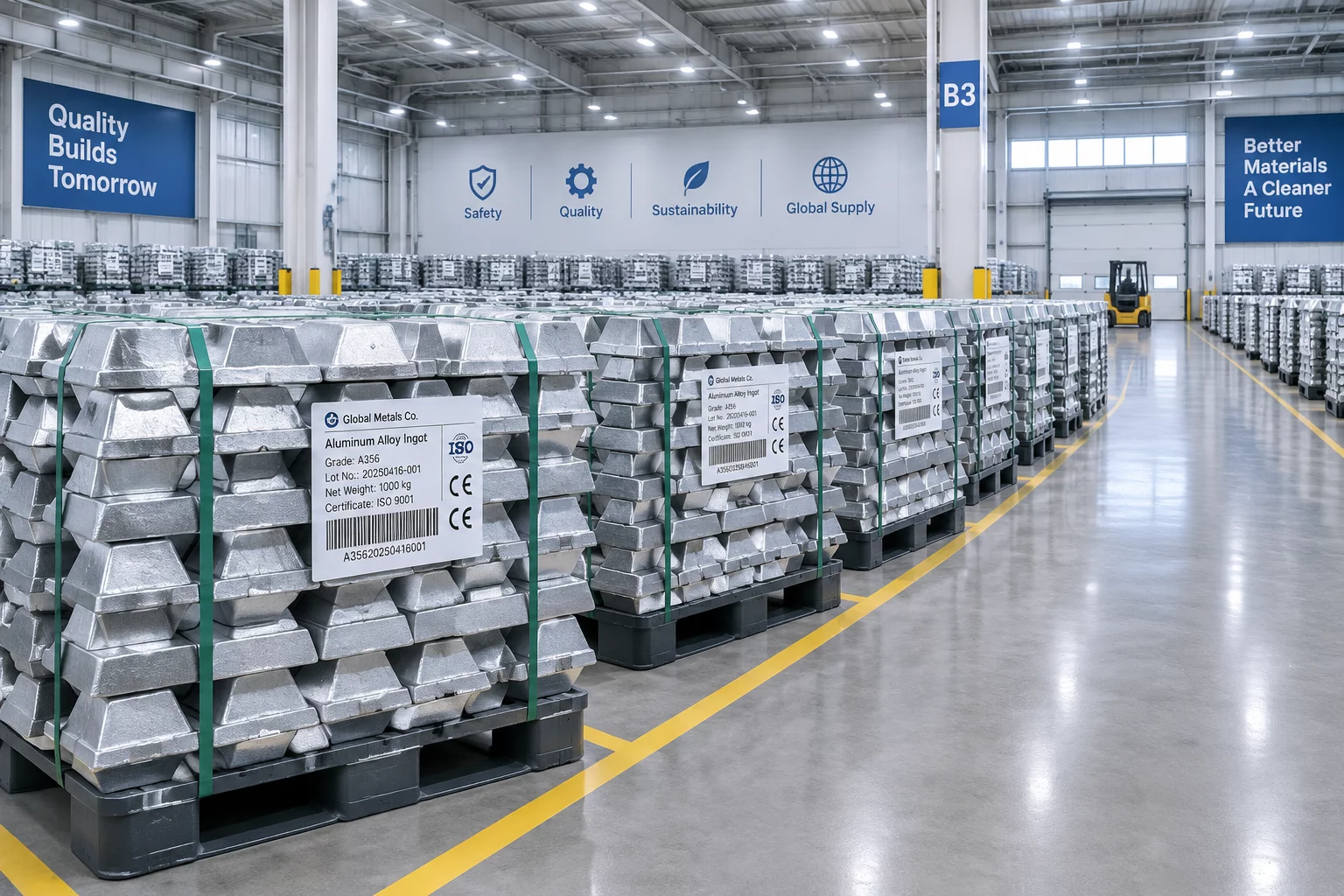
Certified structural alloys and traceable ingots stored in monitored European logistics centers.
Coordinate with our materials engineering consultants to benchmark your CAD bill of materials against EU supply regulations.
Join the academic discourse regarding this component analysis.
Lead Systems Architect •
Author •
Exactly, Henrik. When the CAD configuration dynamically references approved European supplier tiers, engineering changes do not disrupt procurement schedules or compromise compliance audits.

The requirement for Digital Material Passports has reshaped how our team handles parametric variants in automotive chassis design. Ensuring every subassembly configuration automatically matches DIN EN 10204 3.1 certification schemas avoids major supply hold-ups during series production validation.